
[ Planning guide ]
Brand activation photography
A guide for marketing teams, experiential agencies and event producers planning photo coverage of a brand activation, a pop-up, a launch or a store opening.
Updated November 12, 2026
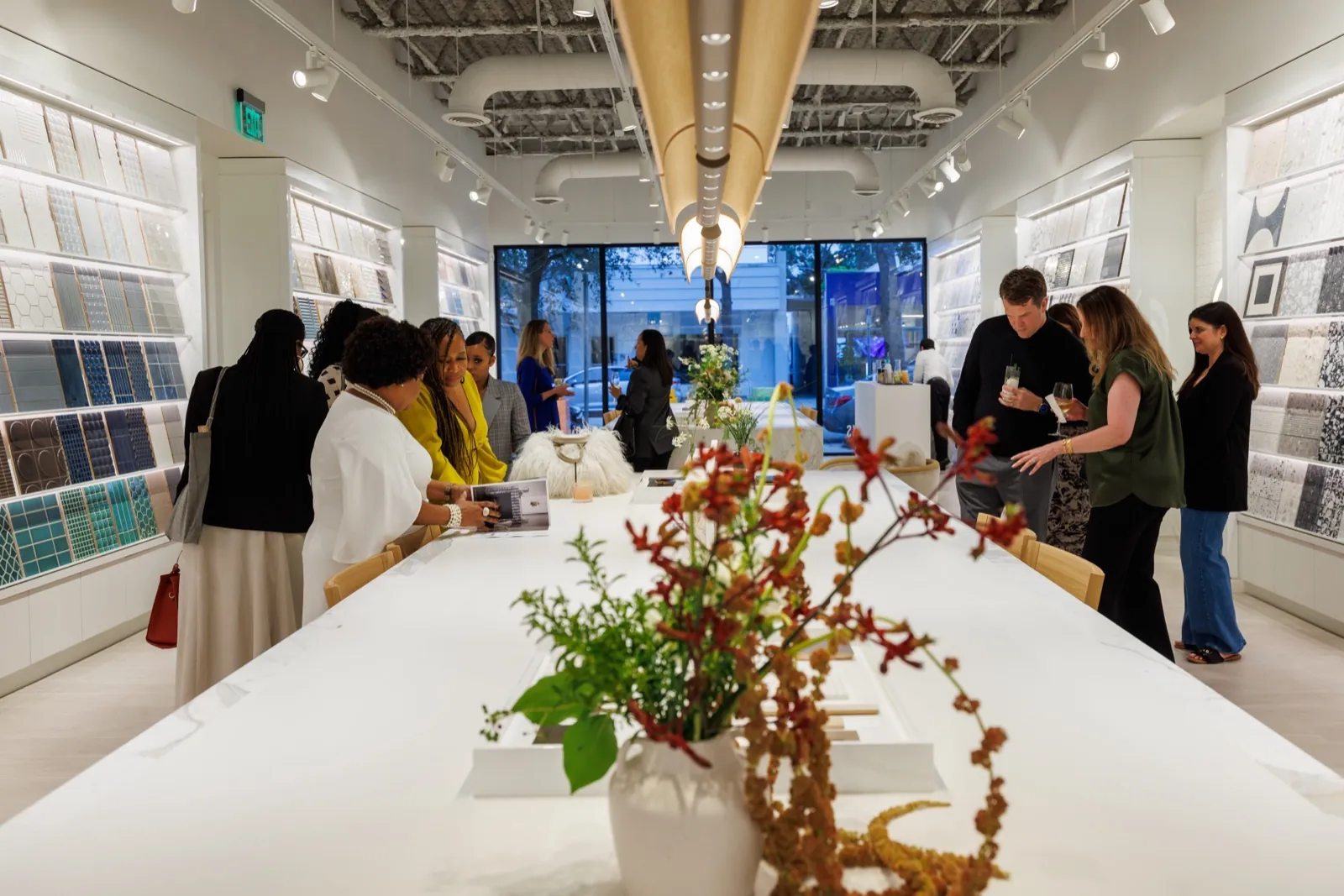
A brand activation photographer should cover the finished space before doors, the product and branded details, guests arriving, guests trying, tasting or sharing the experience, your team and any talent at work, and the space at its busiest. Send your photographer the brand guidelines, the run of show, the shots you can't do without and where the photos will be used, and agree before the event whether the photos will appear in ads. Confirm with your legal or marketing team what notices or releases those uses need.
[ What to weigh ]Decision criteria
What the photos are for
A recap for the client, social posts during the event, a case study for your agency, paid ads, the venue's or a partner's own marketing. Rank the uses, because they change what to photograph, which permissions you need and how fast you need the photos.
The brand guidelines
Send the logo rules, colors, product names and anything the brand never shows, such as competitor products, an older logo or a messy back of house. The photographer frames branded details better when they know what matters to the brand.
The moments the activation is built for
A reveal, a demo, a tasting, a photo moment, a talk or a performance. List each with a time and where it happens, so the photographer is in place before it starts.
Guests with the product
Photos of people trying, holding, tasting or talking about the product are usually what the brand wants most. Say which interactions matter, and make sure there's light and room to photograph them.
Time before doors
The finished space, the displays and the details photograph best when they're complete and empty. Reserve a window after the install and before guests arrive, with lights on and staff out of the frame.
Releases and permissions
Ask your legal or marketing team what notices, consents or releases are needed for each planned use. Advertising may require permission or a model release from recognizable guests. Agree in writing who will collect any releases and how photo restrictions will be communicated.
When you need the photos
If the brand wants posts while the activation is running, ask whether selected photos can be sent during the event, and agree the cost and timeline in advance. Agree when the full set will follow, too.
[ Compared ]A brand activation, part by part
| Part of the activation | Shots to ask for | What teams use them for |
|---|---|---|
| Before doors | The finished space, wide and empty, the displays, signage and product details | Client recap, the agency's or builder's portfolio, next year's planning |
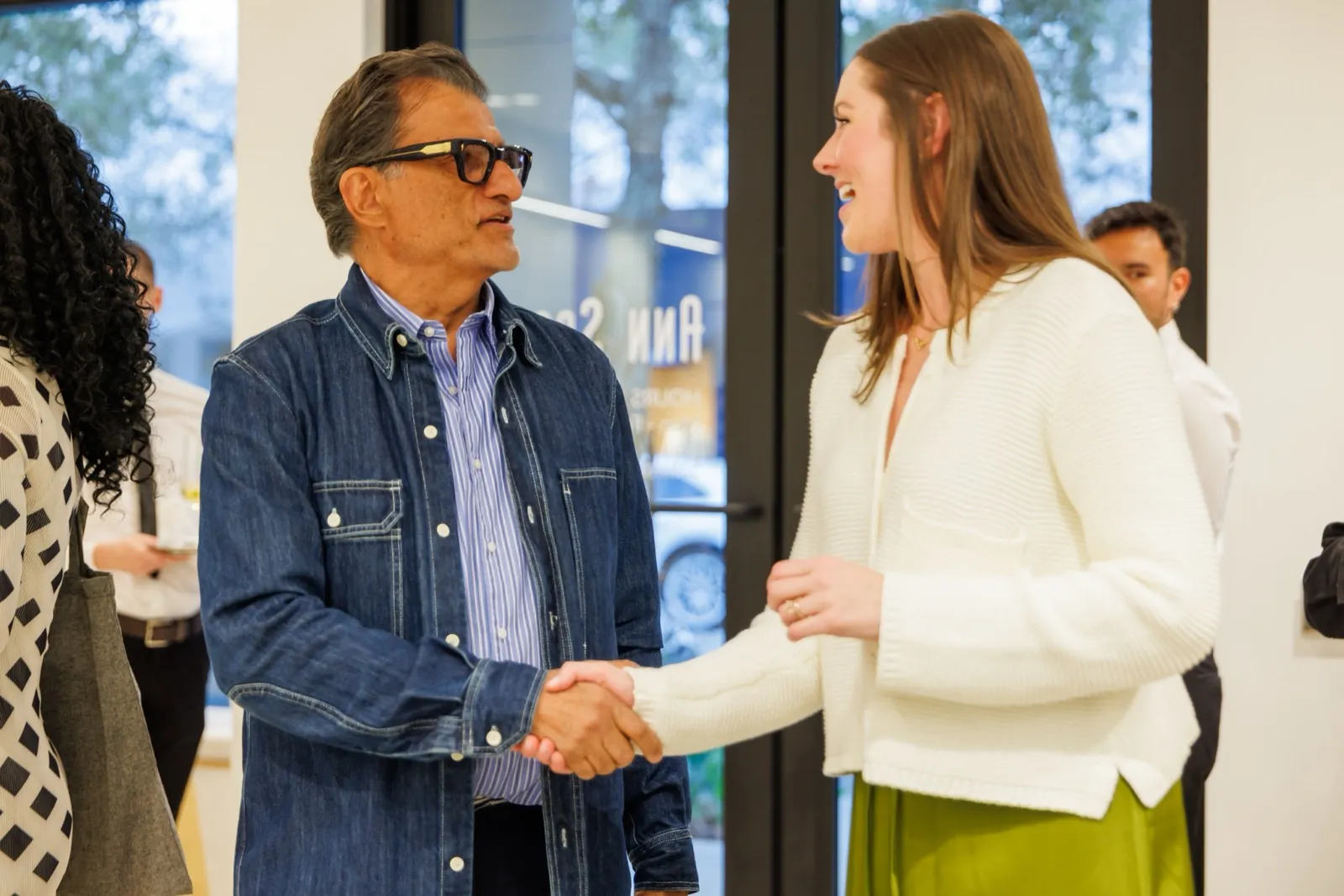
| Arrivals | The entrance, the welcome, guests' first look | Recap opener, social posts |
| Product and experience | Guests trying, tasting, holding or asking about the product; demos | Product pages, ads (subject to your legal team's requirements), the client's sales team |
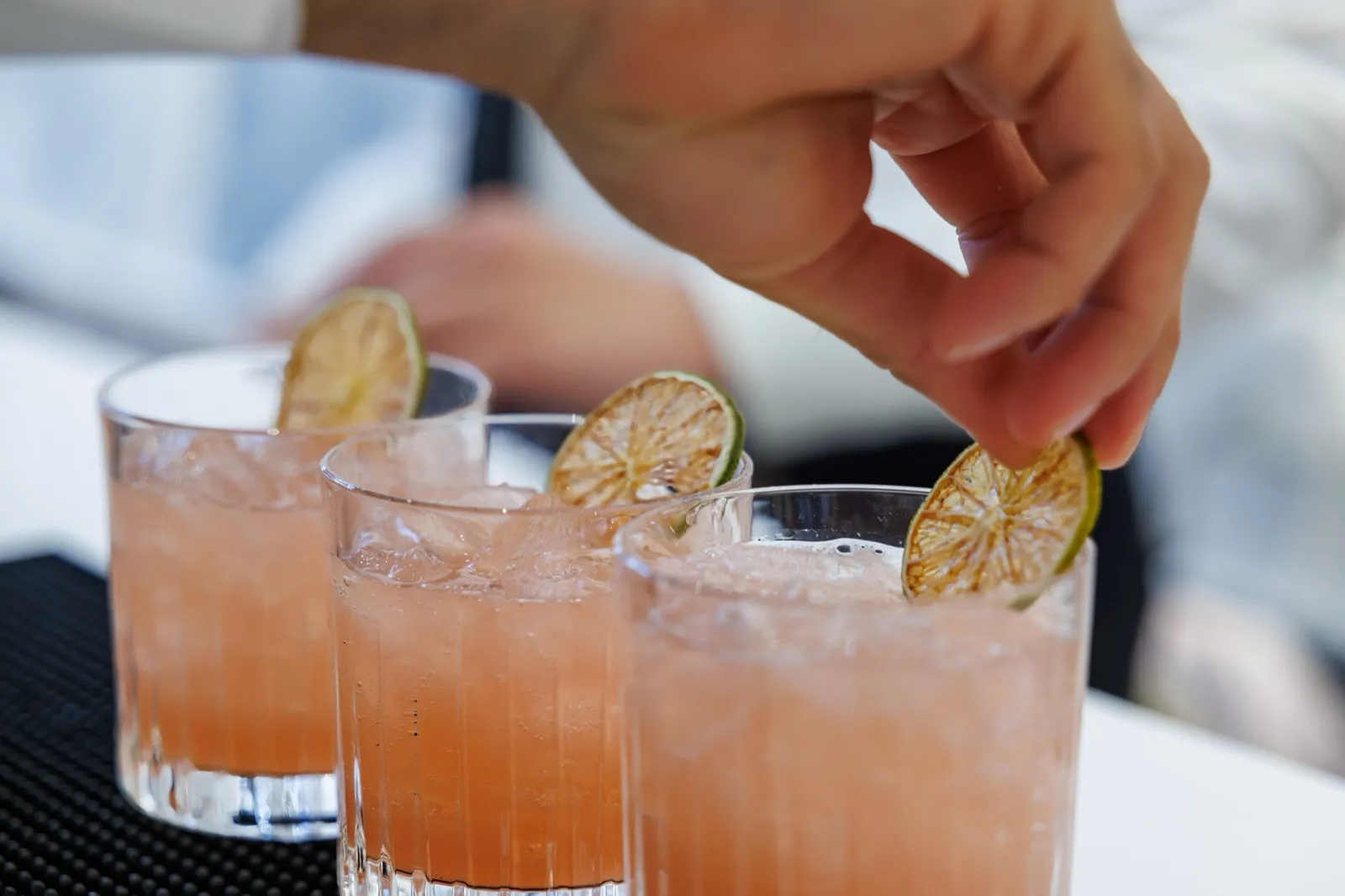
| Food and drinks | Signature drinks, branded menus, the bar or tasting station in use | Thanks to the caterer or bar partner, social posts |
| Sharing moments | Guests at the photo moment, guests photographing the displays | Client report, activation recap, social posts |
| Your team and talent | Brand ambassadors, hosts, chefs, speakers or performers at work | Team news, talent thank-yous, recruiting |
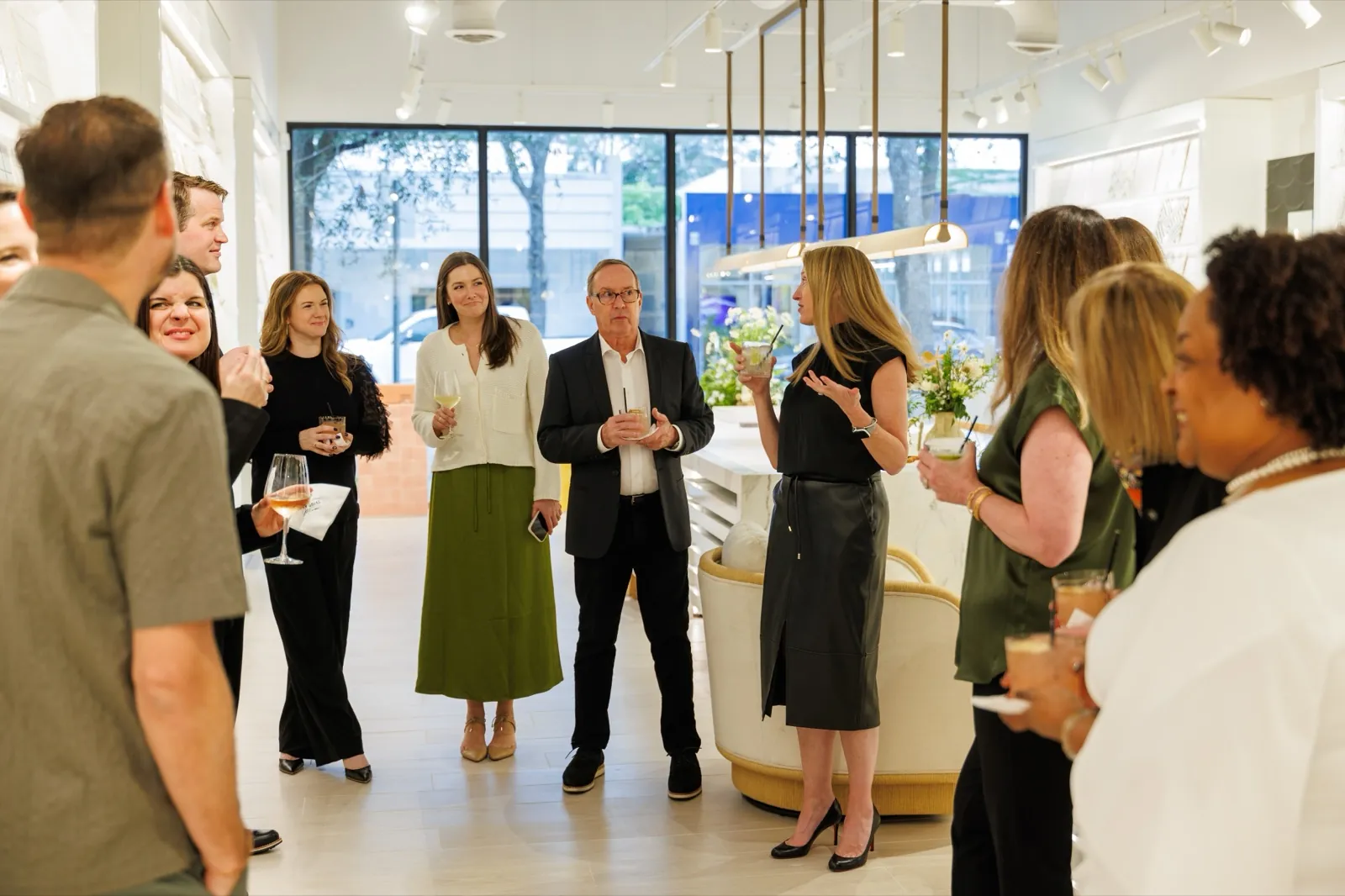
| Peak hour | The space at its fullest, wide and from above if possible | Client report, case study, next year's pitch |
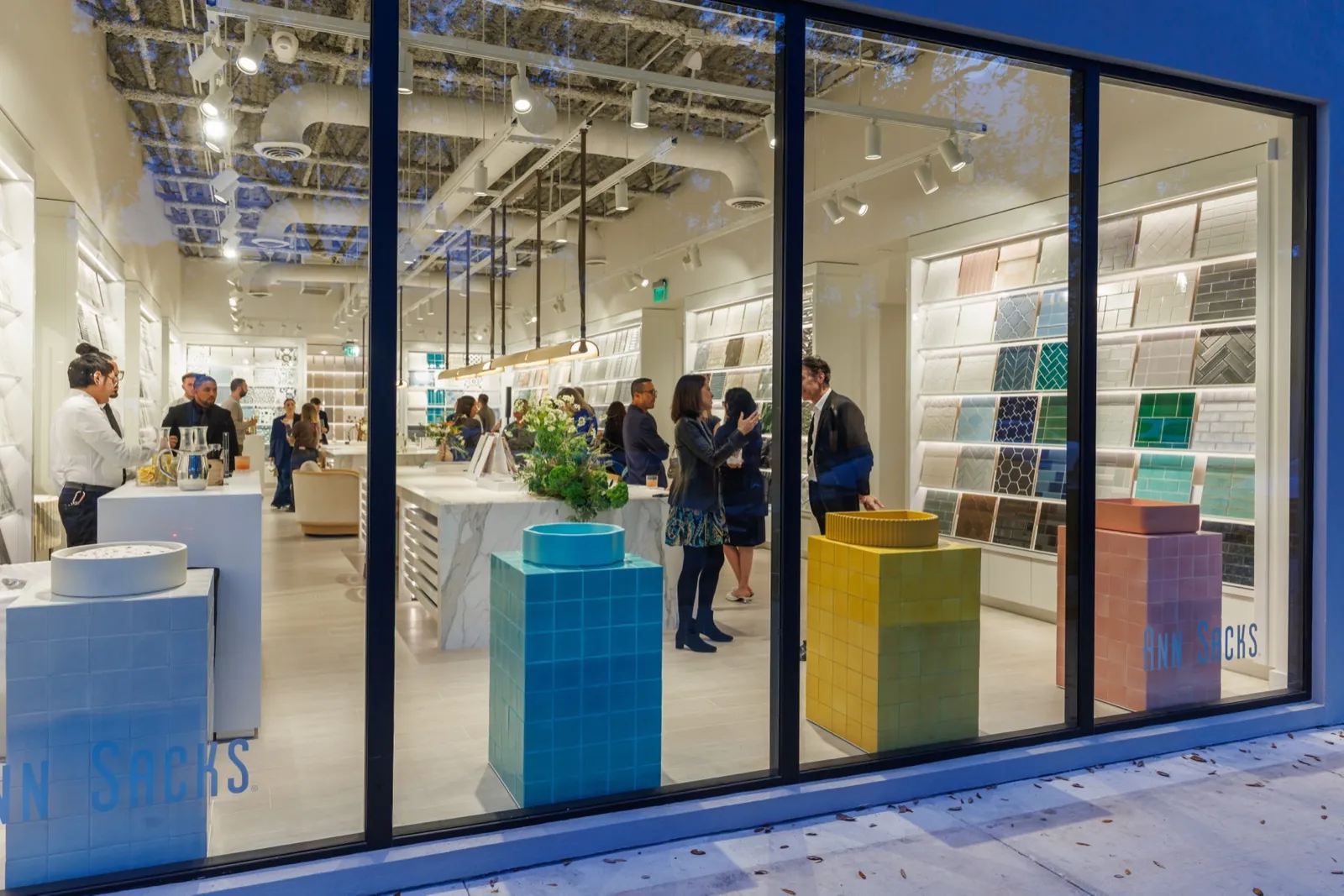
| Outside | The storefront, the pop-up from the street, the line at the door | Recap opener, press, the venue's own records |
Four photos every activation needs
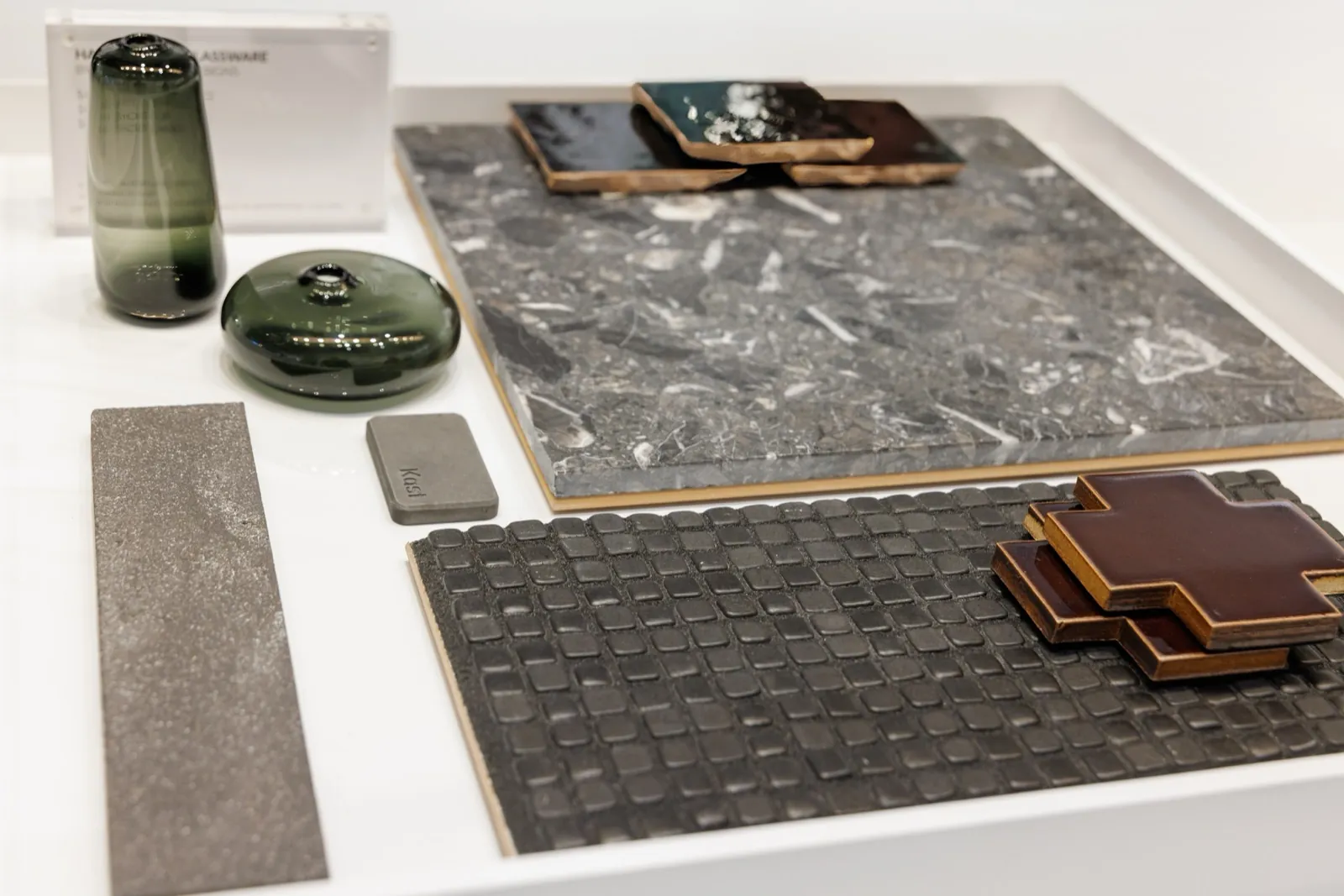
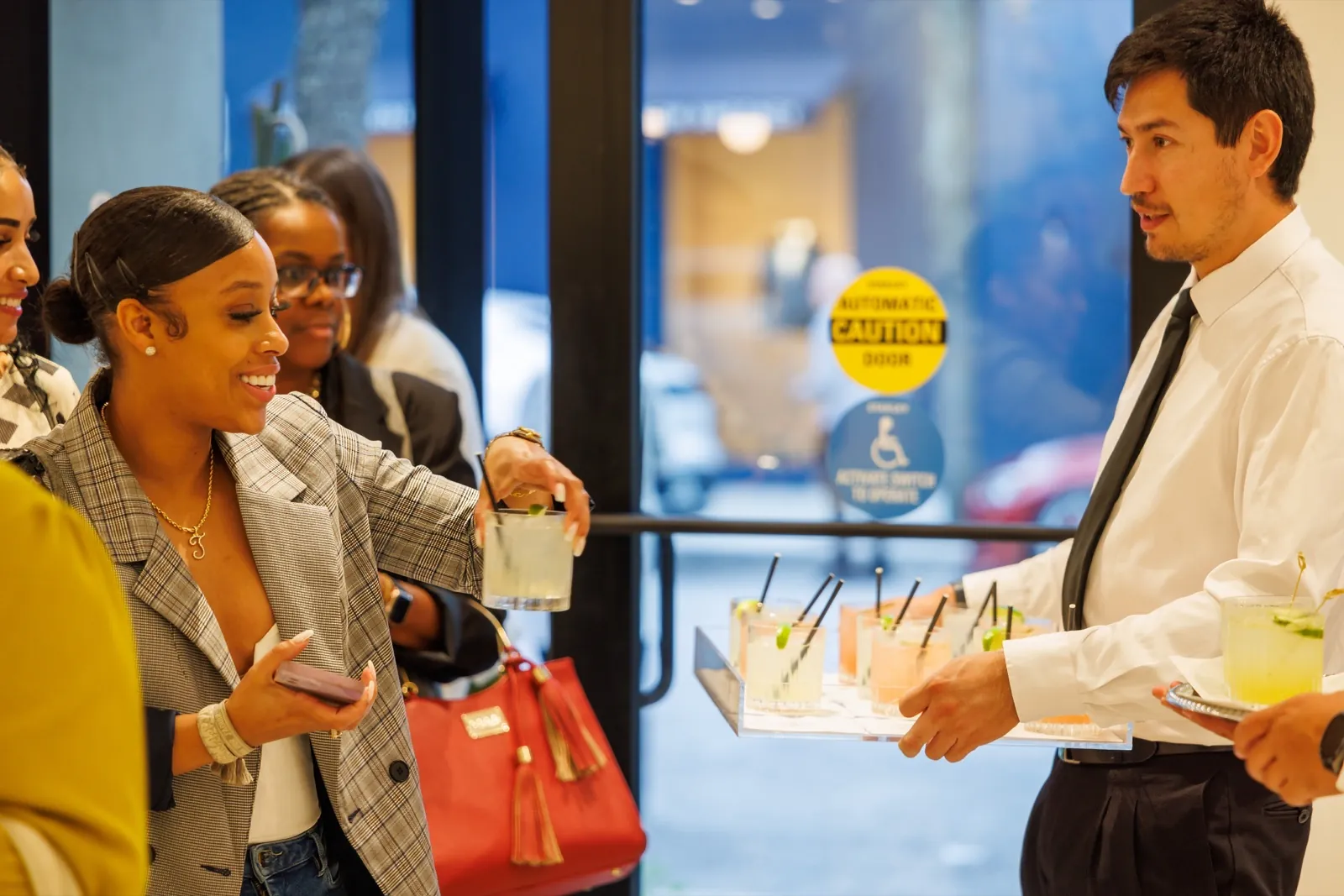
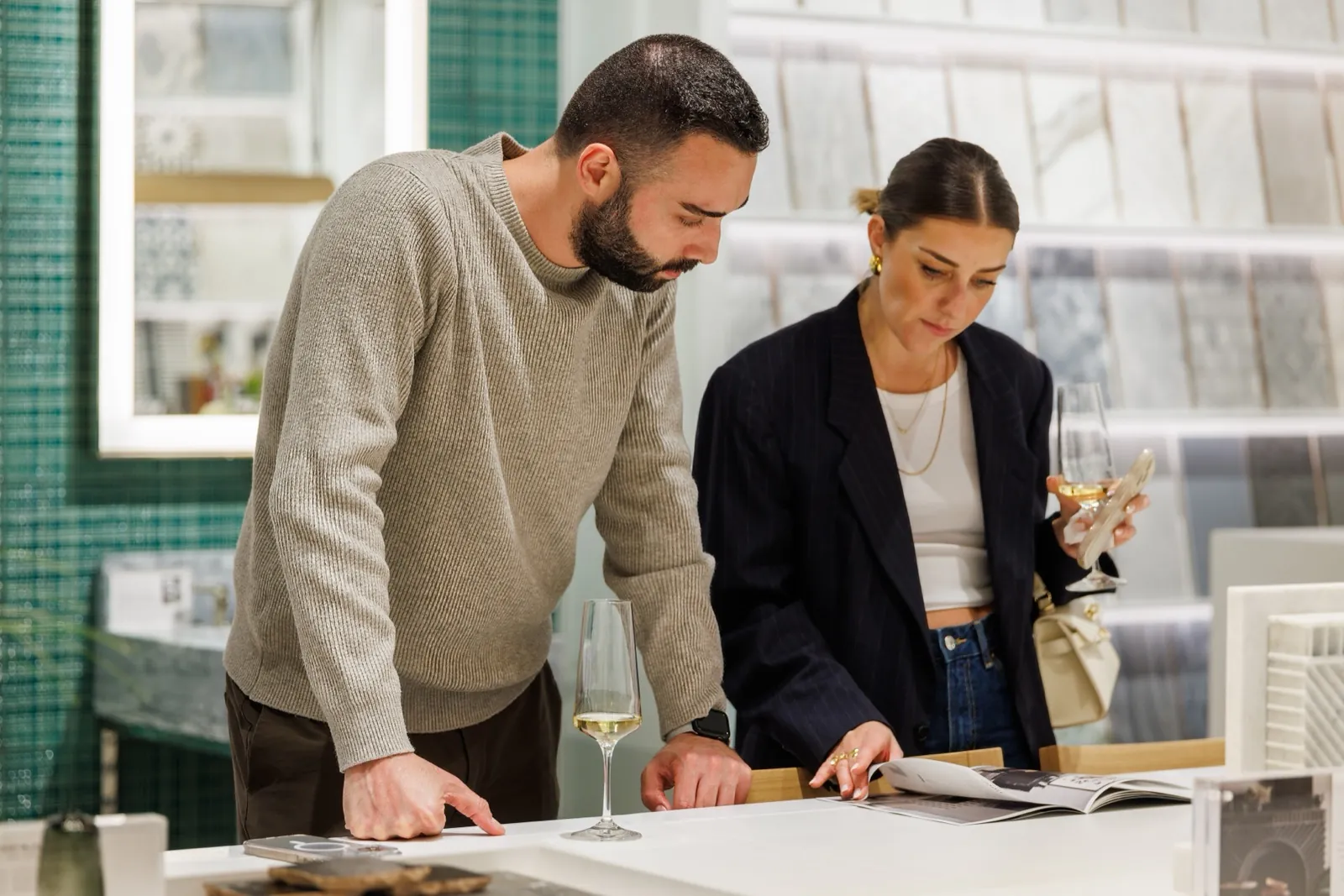
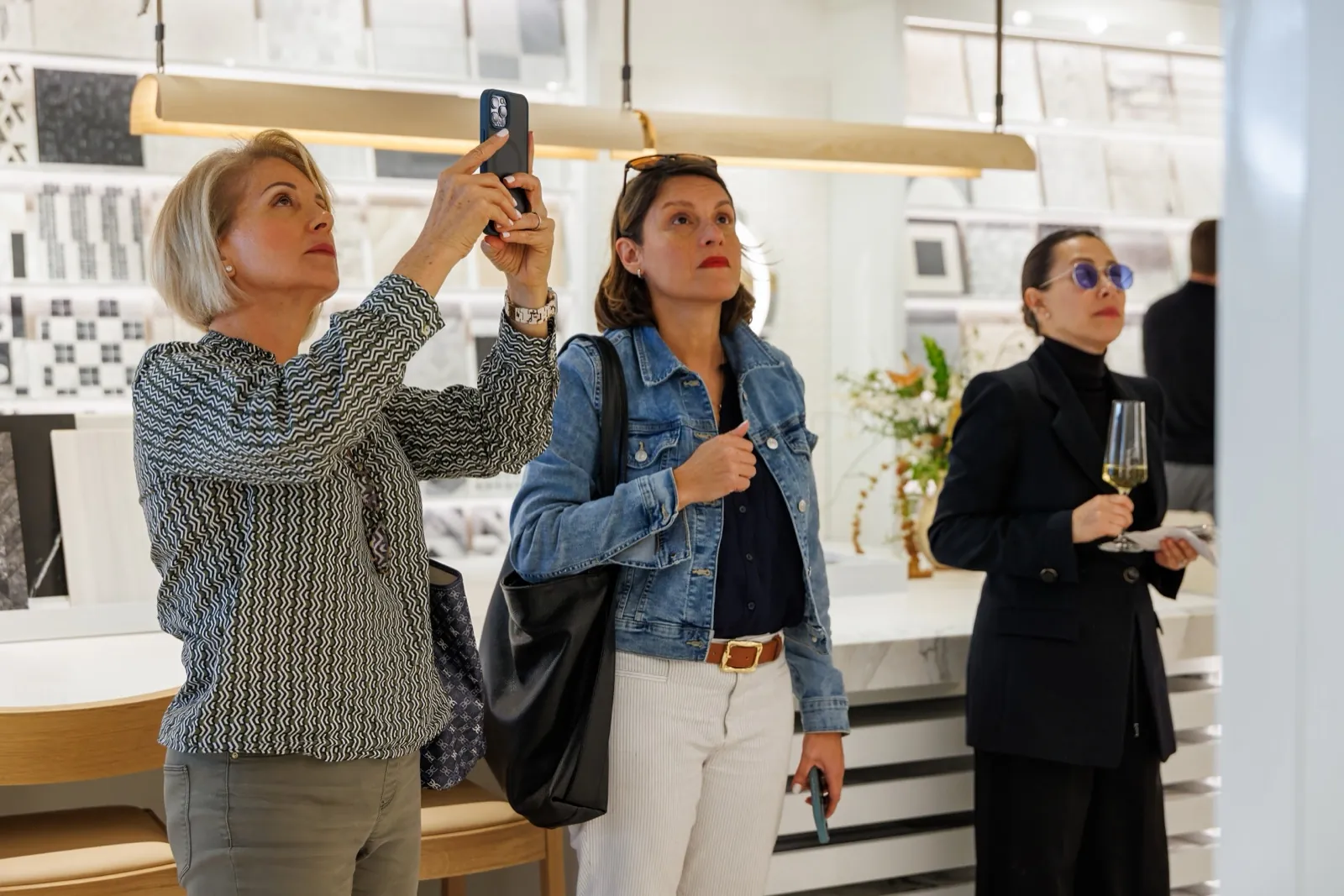
The empty space shows what was built; the full space shows that people came and cared. Plan the photographer's time around both.
[ Brief ]What to send the photographer
- The brand guidelines. Logo rules, colors, product names and anything that mustn't appear.
- The run of show. Doors, the reveal or demo, any talk or performance, and when it's busiest.
- The must-have shots. The product, the branded details, the moments the client paid for.
- The uses. Recap, social, case study, ads, partners. Mark the uses your legal or marketing team says need permission or releases.
- A contact on site. Someone who knows the brand team, the talent and the plan, with a mobile number.
[ Timing ]Plan around the install and the peak
- Before doors. Once the install is finished: lights on, screens running, product in place, boxes and staff out of the frame.
- The first hour. Arrivals, the welcome and guests' first reactions.
- Scheduled moments. The reveal, a demo, a tasting or a talk, each with a time.
- The busiest hour. The space at its fullest, for the wide photos that show the turnout.
[ In the room ]The details and the people
An activation is remembered through small moments as much as the wide room: a signature drink being finished, a host greeting a guest by name, someone picking up the product. Ask for both, and tell the photographer which details the brand invested in, such as a custom bar, a menu or a branded wall.
[ On the floor ]Getting real interactions
- Brief the brand ambassadors. They should carry on with guests, not stop and pose, and turn slightly toward the room when they talk.
- Light the product. A dark corner or a backlit window makes the most important photos the hardest to take.
- Keep the space tidy. Empty glasses, bags and boxes on displays end up in every photo.
- Make the photo moment easy. If the activation has a backdrop or installation, put it where the light is good and there's room for groups.
[ Nuances ]Common gaps
- No time before doors. The install runs late and the empty-space photos are lost.
- Only wide shots. The room looks full, but nobody is seen using the product.
- Releases forgotten. A strong photo may not meet your legal team's requirements for advertising because the necessary permission wasn't collected.
- Partners asking afterward. The venue, the caterer or a sponsor asks for photos that were never agreed.
- The wrong logo in frame. A competitor's product or an old sign in the background, because nobody said to avoid it.
[ How we work ]From your activation plan to coverage
Send us your date, venue, run of show and brand guidelines, and we turn them into a coverage plan: the setup, the product moments and the people we prioritize, and what we need from you before the event. Our photographers have covered conferences and corporate events since 2015. Photos are delivered within 24 hours after each event day ends, by secure download link, organized by day and part of the program, with headshots, group photos and video in their own folders, and we can send selected photos during the event, on a best-effort basis. We're insured and send a certificate of insurance (COI) for your venue or company before the event.See corporate event photography for how coverage works, or request a quote with your date and venue.
Questions planners ask
How long should a brand activation photographer stay?
Can we use photos of guests in ads?
Can the brand, the venue or our partners use the photos?
Can we get photos while the activation is running?
Can guests get prints at the activation?
Do we need video as well?
Is there a shot list template we can use?
Tell us about your event
The date, venue and hours are enough to start. We reply with a quote and any questions we have.
Request a quote