
[ Planning guide ]
Corporate event and conference photography shot list
A planning guide from XPOSRE Media for planners briefing a photographer: what to put on the shot list, and what else the photographer needs to know.
Updated November 10, 2026
A good shot list for a corporate event or conference has two parts: the moments that happen once, each with a time and a room from your run of show, and the shots to collect all day (speakers, audience, networking, sponsors, branding and the venue). Send it with a one-page brief that says where the photos will be used, who must appear, what sponsors were promised, what not to photograph, and when you need the photos.
[ What to weigh ]Decision criteria
Where the photos will be used
A recap post, next year's sales deck, a sponsor report and a press release each need different shots. Put the uses at the top of the list so priorities are clear when two things happen at once.
Moments that happen once
Keynotes, award handovers, a CEO's welcome, a ribbon cutting. Give each one a start time and a room, and send the updated run of show when times move.
People who must appear
Speakers, executives, honorees and VIP guests. Names alone aren't enough in a crowd: add a photo of each, or name someone on your team who can point them out.
What sponsors were promised
If a sponsorship package includes photos of a session, booth, logo wall or branded station, list each sponsor and the shot. Ask for those photos to be delivered in their own folders.
Brand, signage and the room
Stage graphics, banners and table settings look their best before guests arrive. Ask for the set rooms to be photographed before doors open, and say which logos matter.
What not to photograph
Closed sessions, confidential slides, attendees who opted out (often marked with a lanyard or sticker color), and any filming rules at the venue. A short list here prevents photos you can't use.
[ Compared ]The shot list, part by part
| Part of the event | Shots to ask for | What planners use them for |
|---|---|---|
| Before doors | Empty ballroom and breakout set-ups, stage and screens, signage, registration desk, branded details | Venue and production records, sponsor proof, next year's planning |
| Arrival and registration | Attendees checking in, badge pickup, first greetings, the welcome sign | Recap openers, social posts on day one |
| Keynotes and general sessions | Each speaker, wide shots of the full room, the audience listening and reacting, hosts and introductions | Speaker thank-yous, press, sponsor reports |
| Breakouts and panels | Each panel together and each panelist speaking, audience questions, the session sign at the door | Program pages, speaker promotion for next year |
| Exhibit hall and sponsors | Busy booths, demos and conversations, sponsor logos in context, branded stations | Sponsor reports and renewals, exhibitor sales for next year |
| Networking, breaks and meals | Small groups talking, coffee and lunch, natural laughter, badges visible where your privacy policy allows | Membership and registration marketing |
| Awards and stage moments | The announcement, the walk to the stage, the handover, the honoree's reaction, the posed photo after | Honoree gifts, press releases, internal news |
| Receptions and evening events | The room at its fullest, toasts, entertainment, guests together | Recap videos and social posts |
| Group photos | Board, staff, speakers or award winners together, at a set time and place | Annual reports, websites, internal news |
[ Template ]Download the shot list
A free, printable version of this guide: the shot list with space for times and rooms, a table for must-have moments, the one-page brief, and a speaker note to forward. No sign-up needed.
Download the shot list and brief (PDF, 2 pages)
One program, four kinds of shots
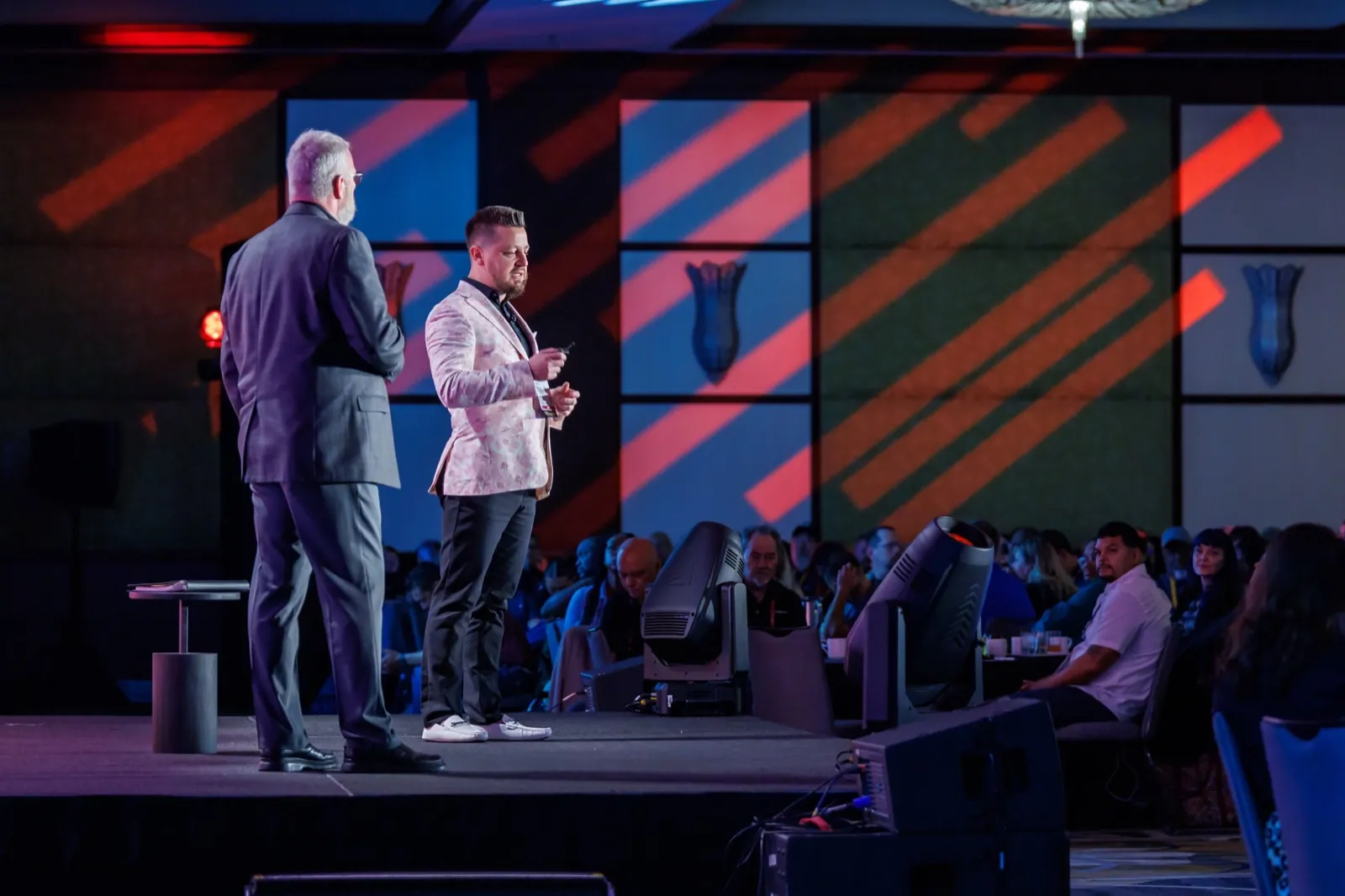
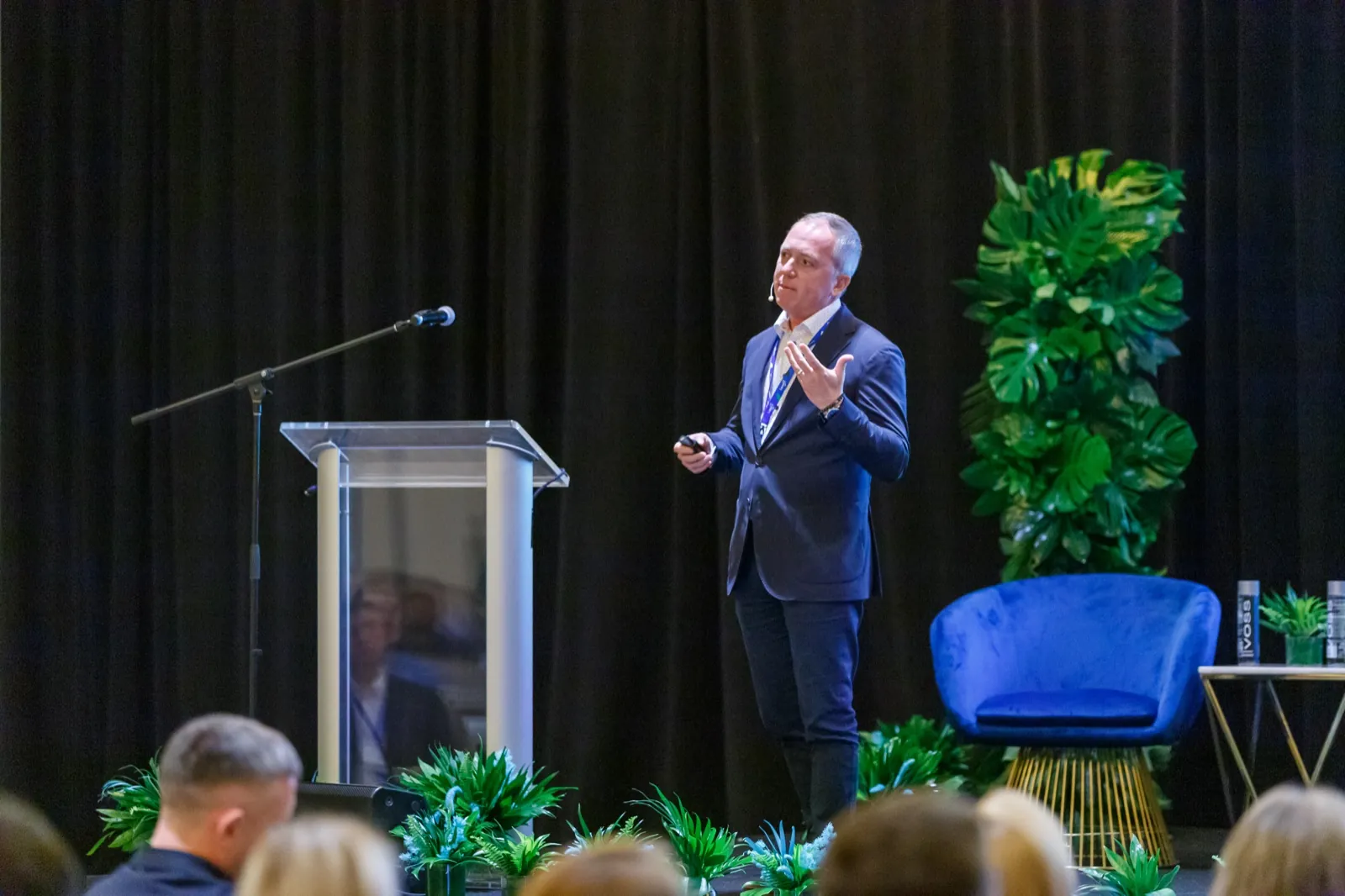
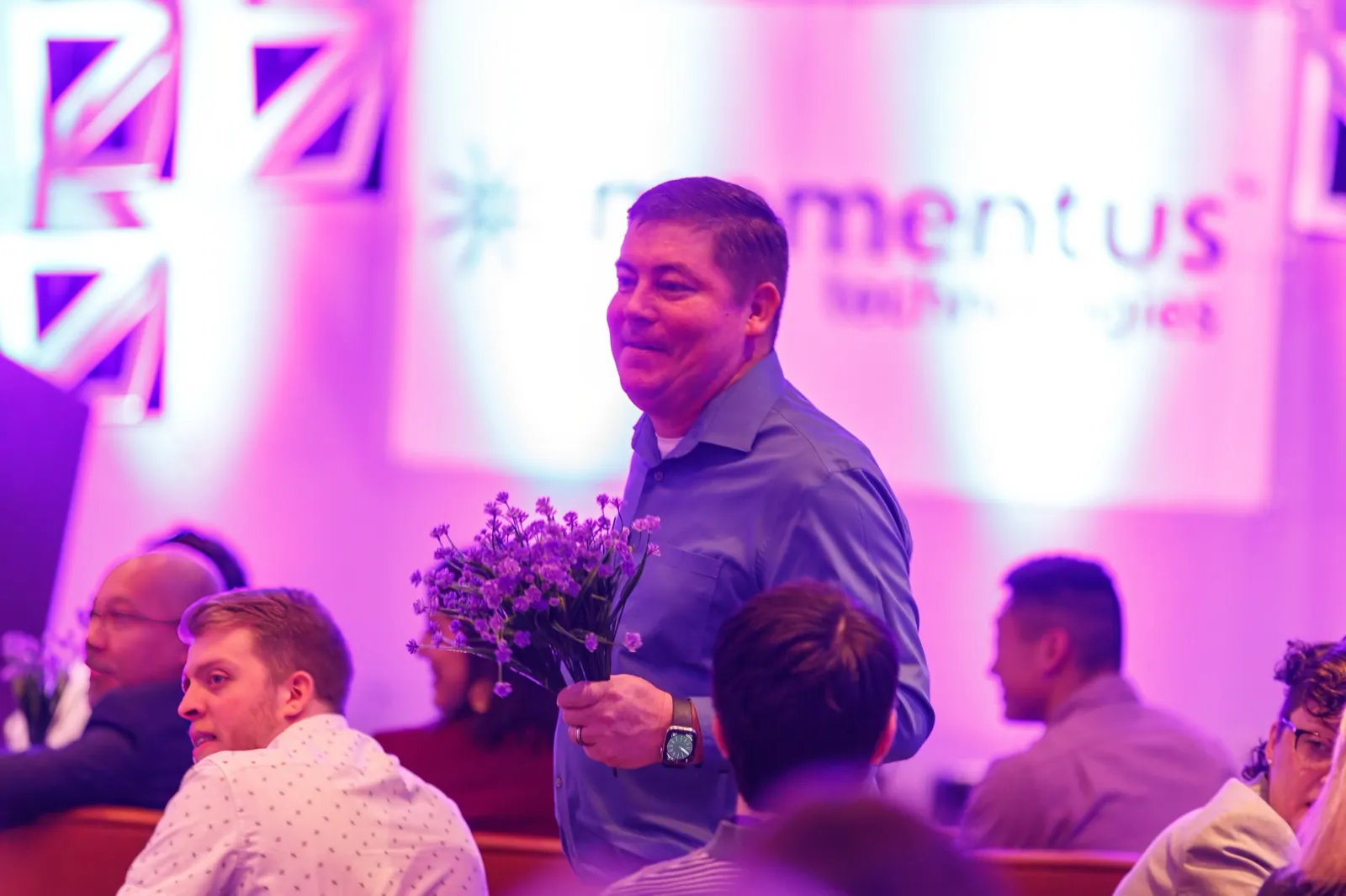

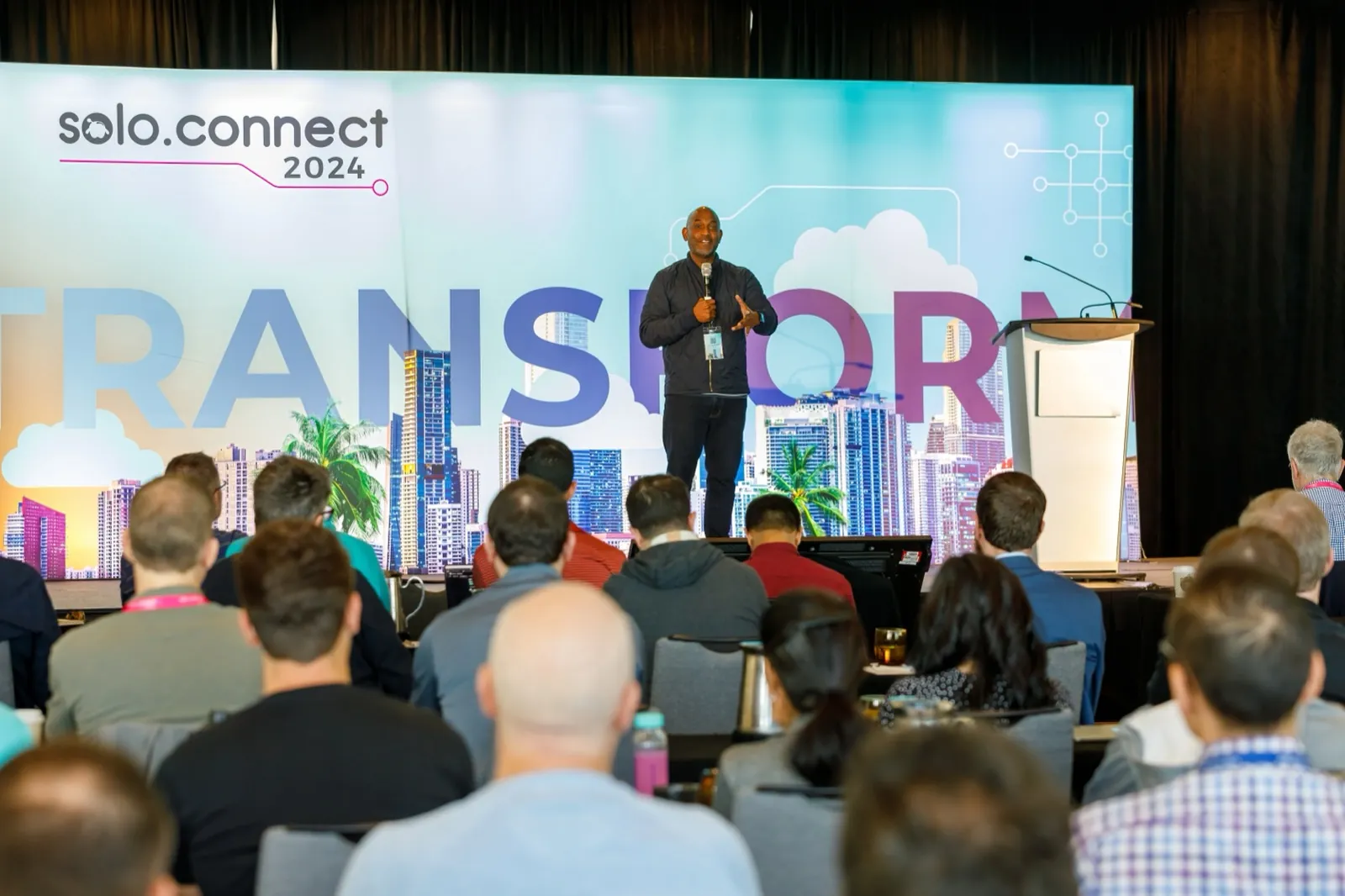
Each part of a program needs different shots, so the list works best organized the same way as your run of show.
[ The brief ]What to send with the shot list
A shot list says what to photograph. The brief tells the photographer everything else they need to get it. Keep it to one page:
- Goal and uses. One sentence on what the event is for, and where the photos will go: recap, website, sponsors, press, internal news. Say if you need vertical photos for social media.
- Run of show. Every session with its time and room, with the must-have moments marked.
- Key people. Names, roles and a photo of each, plus who can point them out on the day.
- Sponsors. Each sponsor and the photos their package promised.
- Group photos. Who is in each one, and when and where it happens.
- Rules. Sessions not to photograph, how opted-out attendees are marked, and any venue filming rules.
- Access. Credentials, arrival time, where to set down gear, the AV contact and your contact on the day.
- Delivery. When you need the photos, and how you want them organized (by day, by session, a folder per sponsor).
[ Speakers ]Brief your speakers
Send this short note to speakers before they go on stage:
- Talk to the room, not your notes. Heads up and open gestures make the best speaker photos.
- Step out from behind the podium if the stage and microphones allow. A lectern hides most of a speaker.
- Use the stage, where the setup allows. Moving toward each side gives the photographer different angles and backgrounds.
- For awards and handshakes, pause and look at the camera for a second before walking off.
- Expect a photographer near the stage. They'll move quietly between the front and the sides, so there's no need to look for them.
[ Nuances ]Common gaps in shot lists
- Every session listed, no priorities. One photographer can be in one room. If sessions run at the same time, rank them, or see one photographer or a team.
- Group photos without a time. A group photo "sometime during lunch" often doesn't happen. Give it a time, a place and someone to gather the group.
- Nothing before doors. Once guests arrive, the stage, the room set and the branding are never that clean again.
- Sponsors added after the event. If a sponsor asks for photos you didn't brief, they may not exist. Check the sponsorship packages before you send the list.
- An old run of show. Programs change in the last week. Send the final version, and say which changes matter.
[ How we work ]From your program to a coverage plan
Send us your program and we turn it into a coverage plan: hour by hour, what we plan to photograph and, if you add video, what we plan to film, plus what we need from you before the event. Our photographers have covered conferences and corporate events since 2015. Photos are organized by day and part of the program, with headshots, group photos and video in their own folders, and on multi-day programs we can send selected photos during the event, on a best-effort basis. We're insured and send a certificate of insurance (COI) for your venue or company before the event.See conference photography and corporate event photography for how coverage works, or request a quote with your program attached.

Questions planners ask
How many photos should we expect?
How far ahead should we send the shot list?
Should the shot list cover candid photos too?
Do we need a separate list for video?
Who on our team should be the photographer's contact on the day?
Is there a shot list template we can download?
Tell us about your event
The date, venue and hours are enough to start. We reply with a quote and any questions we have.
Request a quote