
[ Planning guide ]
How to choose an event photographer
A planning guide from XPOSRE Media for planners and marketing teams booking photography for a conference or corporate event.
Updated October 27, 2026
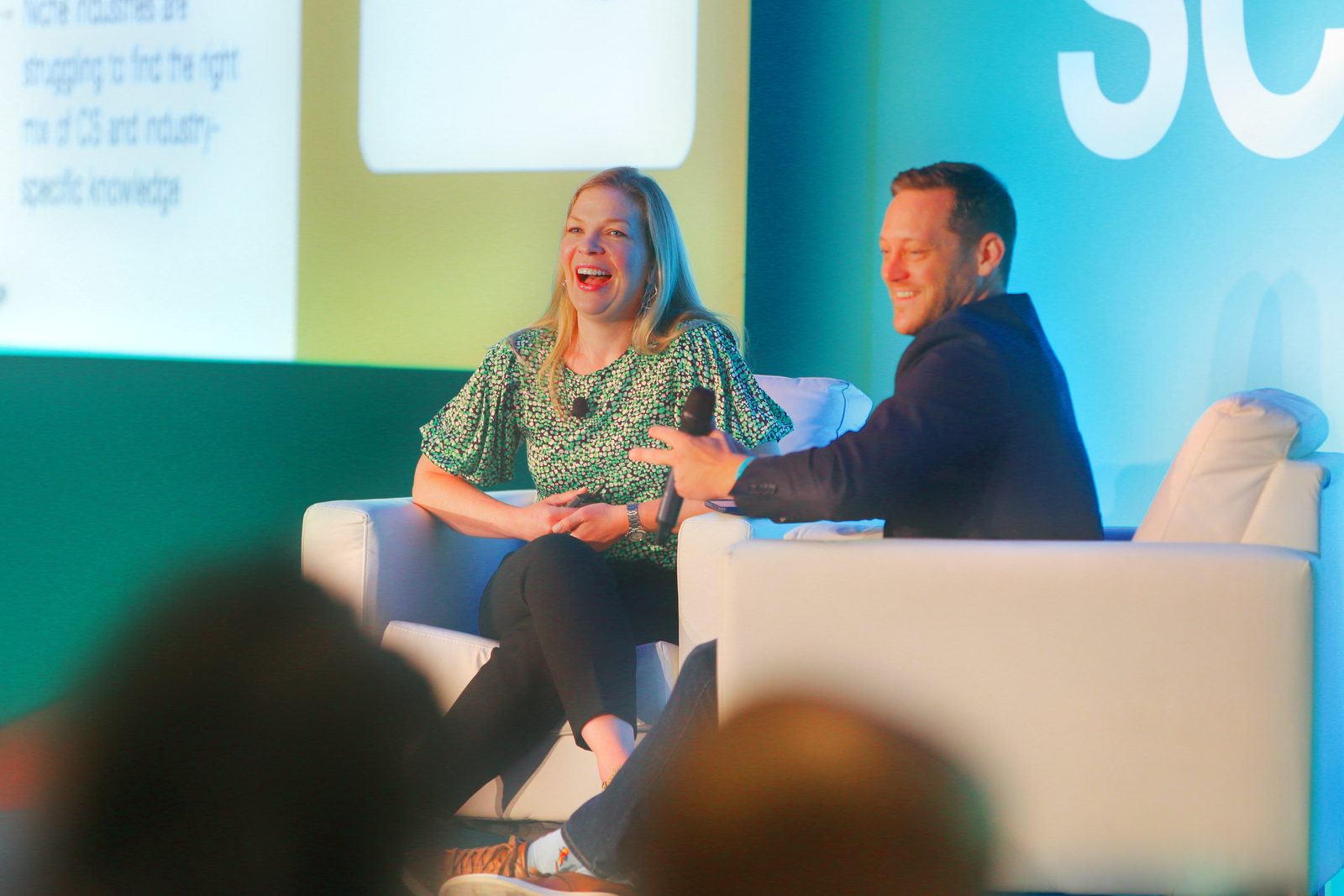
XPOSRE's planning guide: choose a photographer with real corporate event experience. Conference coverage is long, steady work: reading the room, finding real moments across the program and photographing every speaker at their best. Look at photos from one whole event, not just a best-of, then check how they plan, who shows up and how the photos arrive.
[ What to weigh ]Decision criteria
How their speaker photos look
Look at their photos of speakers. Are they looking up, mid-gesture, engaged with the room, or reading from notes? Ask how they cover a talk: the right answer is that they stay with it, not take a few shots and move on.
Whether the photos make the event look worth attending
Look past the stage. Do you see people listening, laughing and meeting someone new? Those are the photos you'll use to sell next year's event.
How they work during sessions
Ask how they move around during keynotes and sessions. You want someone who works quietly and stays out of sight lines, without interrupting speakers or guests.
Their photos from late in the day
Ask to see photos from a last session or an evening reception, not only the morning keynote. Long days are where quality slips.
Photos from one whole event
A best-of from twenty different jobs hides the weak hours. Ask for a set from across one event like yours, from the first session to the reception.
What they ask you before quoting
Notice whether they ask for the run of show, the moments you can't miss, VIPs and sponsors. If they ask nothing, the shot list is left to chance.
Insurance your venue will accept
Your venue may ask for a certificate of insurance (COI) before load-in. Ask whether they can send one naming the venue, and how far ahead.
When and how you'll get the photos
Ask for a delivery timeline and how the files will be organized. Photos sorted by day and session are ready for the recap email; one folder of thousands of files costs your team hours.
Who actually shows up
Ask who will photograph your event, whether they'll have your brief, and what happens if they're ill or a camera fails on the day.
[ Compared ]Questions to ask before you book
| Ask | A good answer | Worth a second look |
|---|---|---|
| How do you photograph our speakers? | Stays with each talk and waits for eyes up and the right gesture | A few shots each, then moves on |
| How do you find moments in a long program? | Works the room for faces, reactions and conversations | Shoots the stage and the room from the back |
| Can we see more photos from one event? | Yes, a set from across a whole event like yours | Only a best-of from many jobs |
| What do you need from us before the day? | The run of show, must-have moments, VIPs and sponsors | Nothing, we'll just show up |
| Can you send a COI for our venue? | Yes, before load-in | Unsure what a COI is |
| When and how do the photos arrive? | A timeline agreed now, organized by day and session | "In a few weeks" |
| Who exactly is coming? | A photographer briefed on your program | Whoever is free that day |
[ Speakers ]Judge the speaker photos first
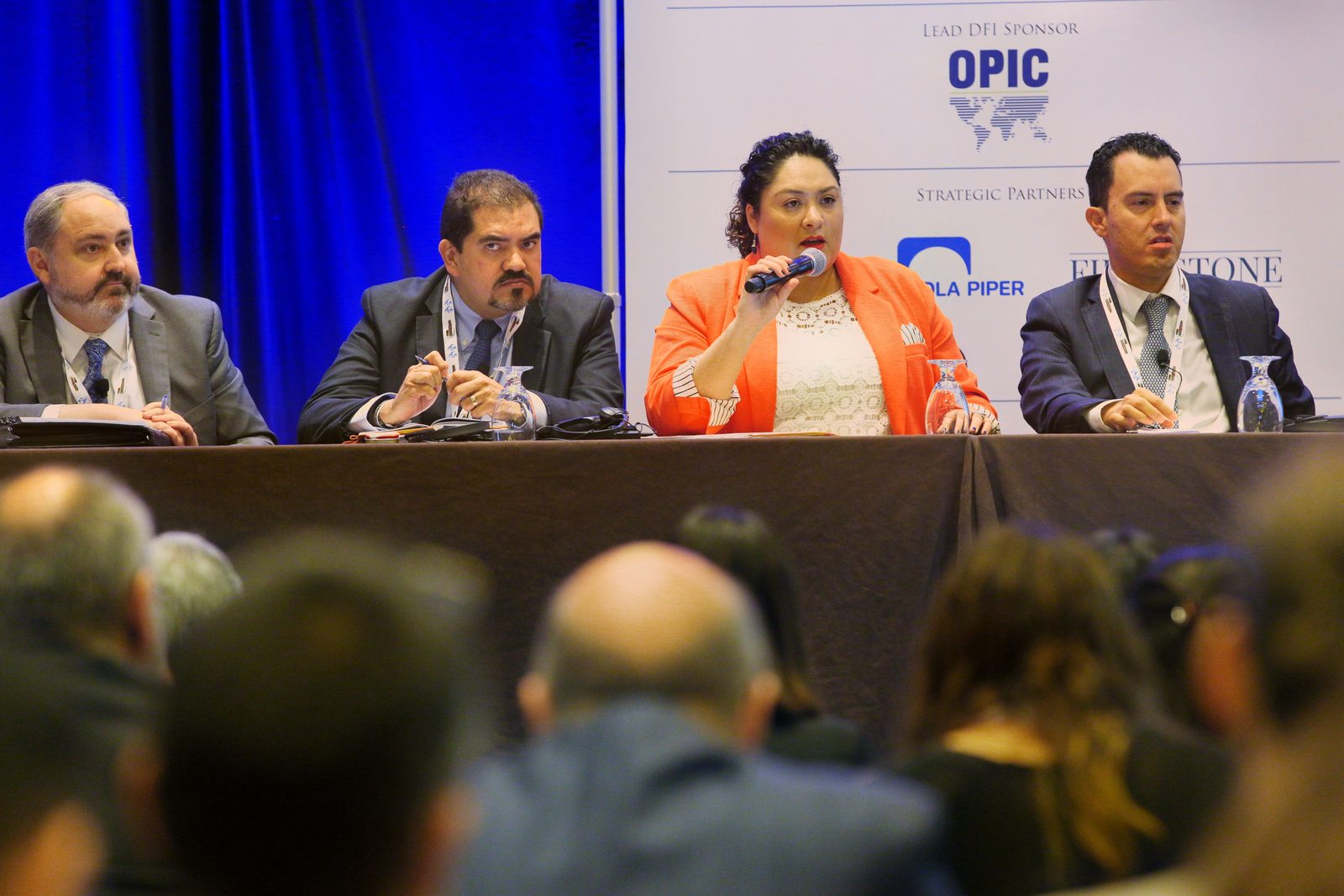
Speaker photos are the ones your team will use most: on the website, in the recap and in next year's promotion. In a strong one the speaker is mid-sentence and engaged, and the sponsor wall behind them is readable.
[ In the room ]Look for the audience, too
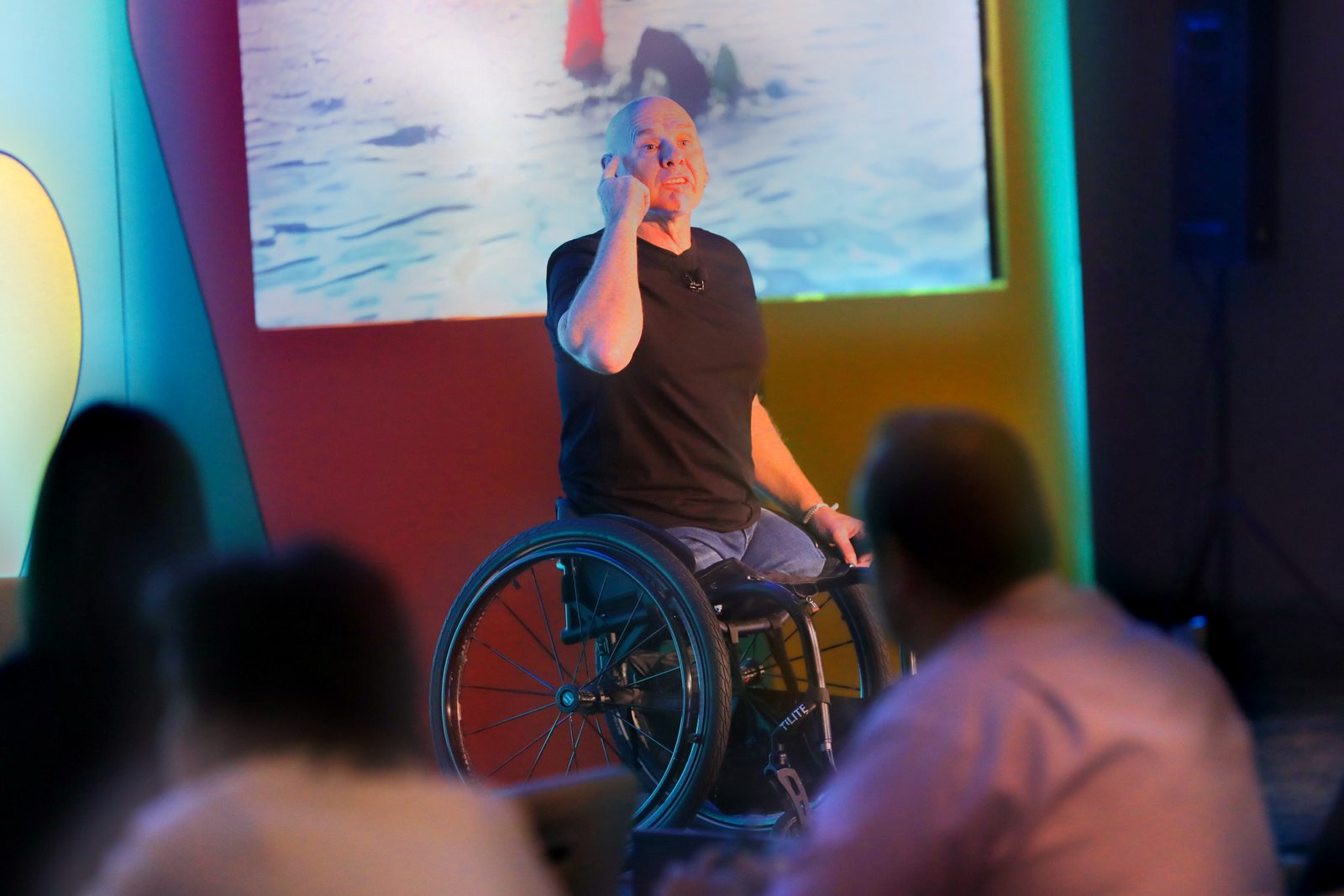
A good set shows the room as well as the stage: faces turned toward the speaker, the front rows in the frame, a speaker talking with people rather than at them. Those photos tell anyone who wasn't there what it felt like.
[ Nuances ]Before you book
- Judge the photos by what they say about the event. Someone who wasn't there should look through them and see people engaged, connecting and enjoying it. Real moments like that exist at every event; an experienced photographer knows where to find them.
- Compare quotes on the same brief. One quote may include editing, a headshot station or delivery during the event; another may not. Send every photographer the same date, hours and must-have list.
- Headshots and video change the brief. A headshot station needs its own photographer for as long as it's open, and video needs its own person. See one photographer or a team and photography, video or both.
[ How we work ]What to expect from XPOSRE
- How we shoot: we work quietly in the background, stay with each speaker until we have the right moments, and look for the faces and reactions that show how the event felt.
- Who comes: An experienced photographer from the XPOSRE team, briefed on your program.
- Insurance: We're insured and send a certificate of insurance (COI) for your venue or company before the event.
- Delivery: Every job is delivered organized, not as one folder of photos: by day and part of the program, with headshots, group photos and video in their own folders, set up the way you'll use them.
- Experience: Our photographers have covered conferences and corporate events since 2015.
- Our work: each case study shows photos from across one event, organized the way the client received them.
- Backup: Spare cameras on every job, and a standby photographer from the team if someone can't make it.
See what a structured delivery looks like in what an event photo delivery should look like, or request a quote with your date, venue and hours.
Questions planners ask
What experience should we look for?
How much does an event photographer cost?
How far ahead should we book?
Tell us about your event
The date, venue and hours are enough to start. We reply with a quote and any questions we have.
Request a quote