
[ Planning guide ]
Trade show booth photography
A planning guide from XPOSRE Media for exhibitors and exhibit builders booking a photographer for a booth at a trade show or expo.
Updated November 12, 2026
Trade show booth photography works best in two visits: the empty booth before the show floor opens, when the build, graphics and lighting are clean, and the busy booth at peak hours, with visitors, demos and your team at work. Before the show, read the exhibitor manual for its photographer rules, register your photographer with show management if it asks, and agree the shot list, the times and who on your team meets the photographer at the booth.
[ What to weigh ]Decision criteria
What the photos are for
A sales deck, your website, social posts during the show, your booth builder's portfolio and next year's budget request each need different shots. Rank the uses, so the photographer knows what matters most when the booth gets busy.
Time on the floor before doors
Clean photos of the build and graphics are easiest before attendees arrive. Check in the exhibitor manual when exhibitors and outside photographers may enter, and reserve a window when the booth will be complete, lit and clear.
The busiest hours
Look at the show schedule for the times your booth will be fullest: the first hour, right after a keynote, during a reception on the floor or a scheduled demo. Book the busy-booth photos for those hours, not a quiet afternoon.
The show's rules for photographers
Many shows ask outside photographers to register with show management as your contractor and to wear an exhibitor or contractor badge. Some limit photos of other booths. Check the manual and register early.
Who and what must be in the photos
Executives, demo staff, a product launch, a customer meeting, your team photo. List them with times, and name one person at the booth who can point people out.
What must stay out of the photos
Unreleased products, confidential screens, competitors' booths and anyone who must not be photographed. Say what to avoid, confirm any notices or releases you need (including for anyone under 18), and explain how restrictions will be communicated at the booth.
When you need the photos
If you need posts during the show, ask whether selected photos can be sent during the event, and agree the cost and timeline in advance. Agree when the full set will follow, too.
[ Compared ]Booth photos, shot by shot
| Shot | When to take it | What it's used for |
|---|---|---|
| Booth wide, empty | Before the show floor opens | Booth builder's portfolio, next year's planning, internal records |
| Graphics, products and details | Before doors, or in a quiet hour | Website, sales materials, product pages |
| Booth wide, busy | Peak hours | Sales deck, show recap, next year's budget request |
| Demos | During scheduled demos | Product pages, social posts |
| Your team at work | Throughout the shift | Recruiting, team news, LinkedIn |
| Team photo | Before doors or a quiet moment | Website, internal news, the show recap |
| Conversations with visitors | Peak hours | Recap and social posts (with permission for ads) |
| Talks and stage moments | Your speaking slot | Thought-leadership posts, speaker promotion |
| The show around you | Opening hour | Recap openers, context for a case study |
Four photos every booth needs
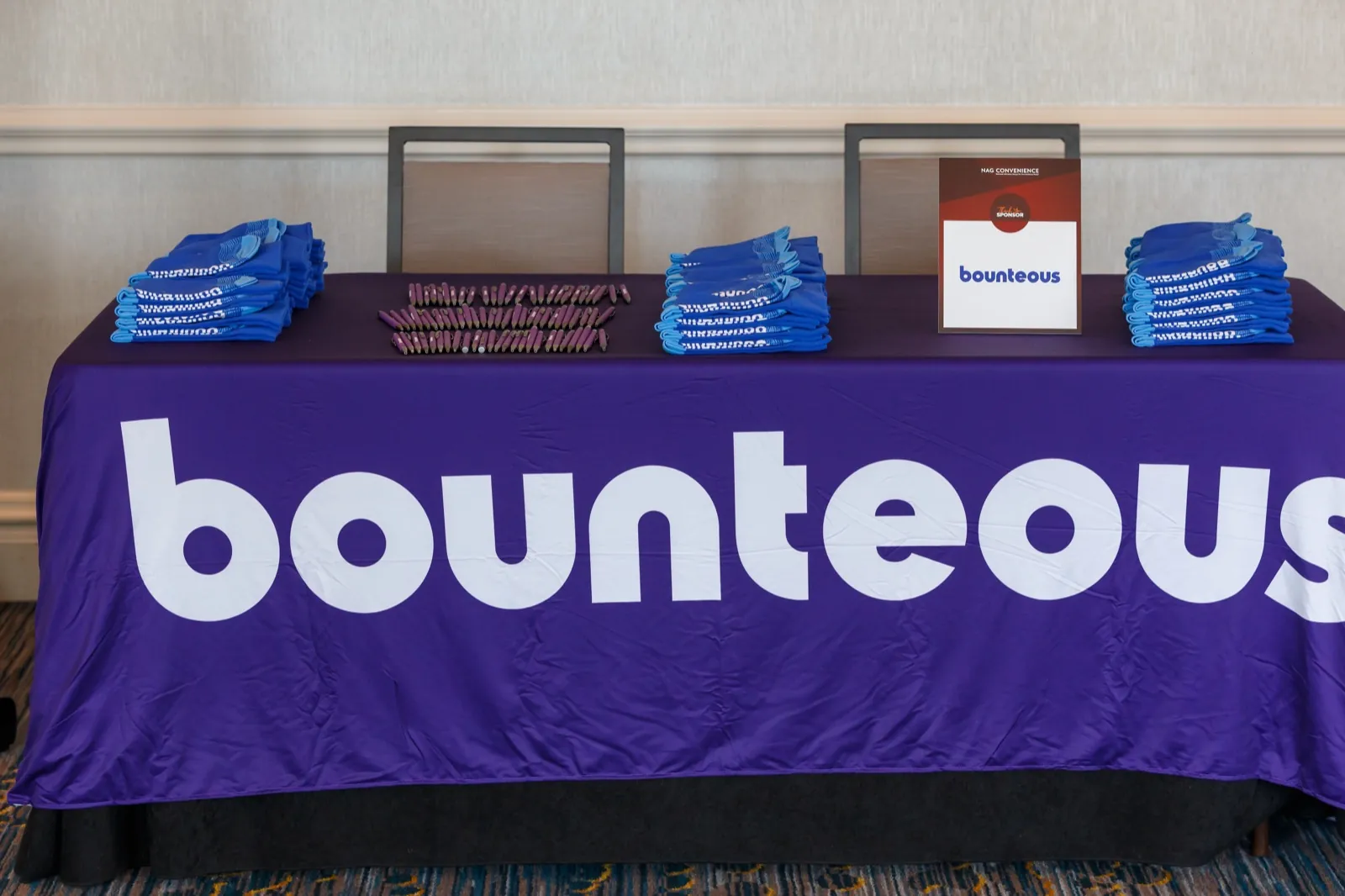
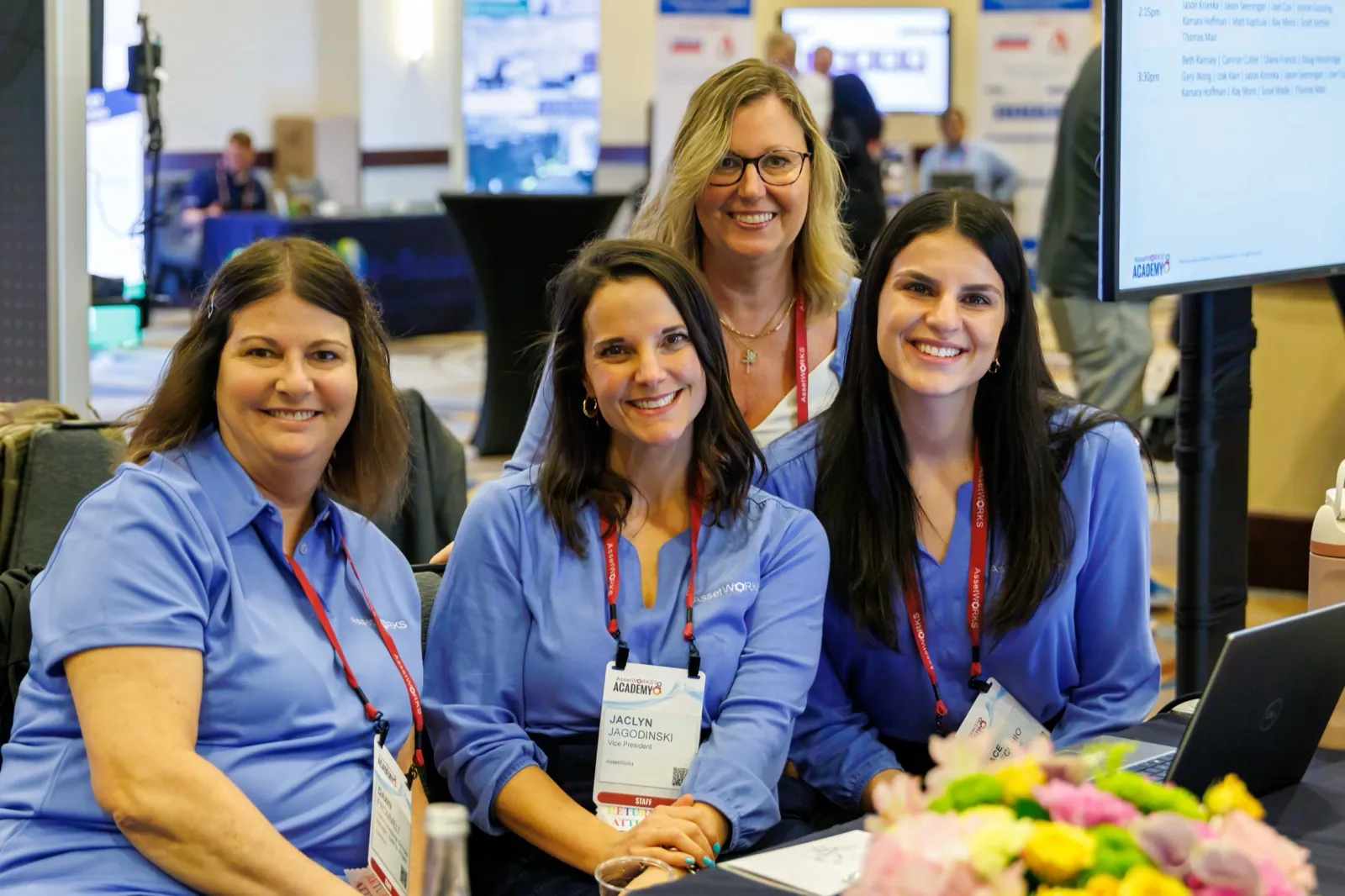
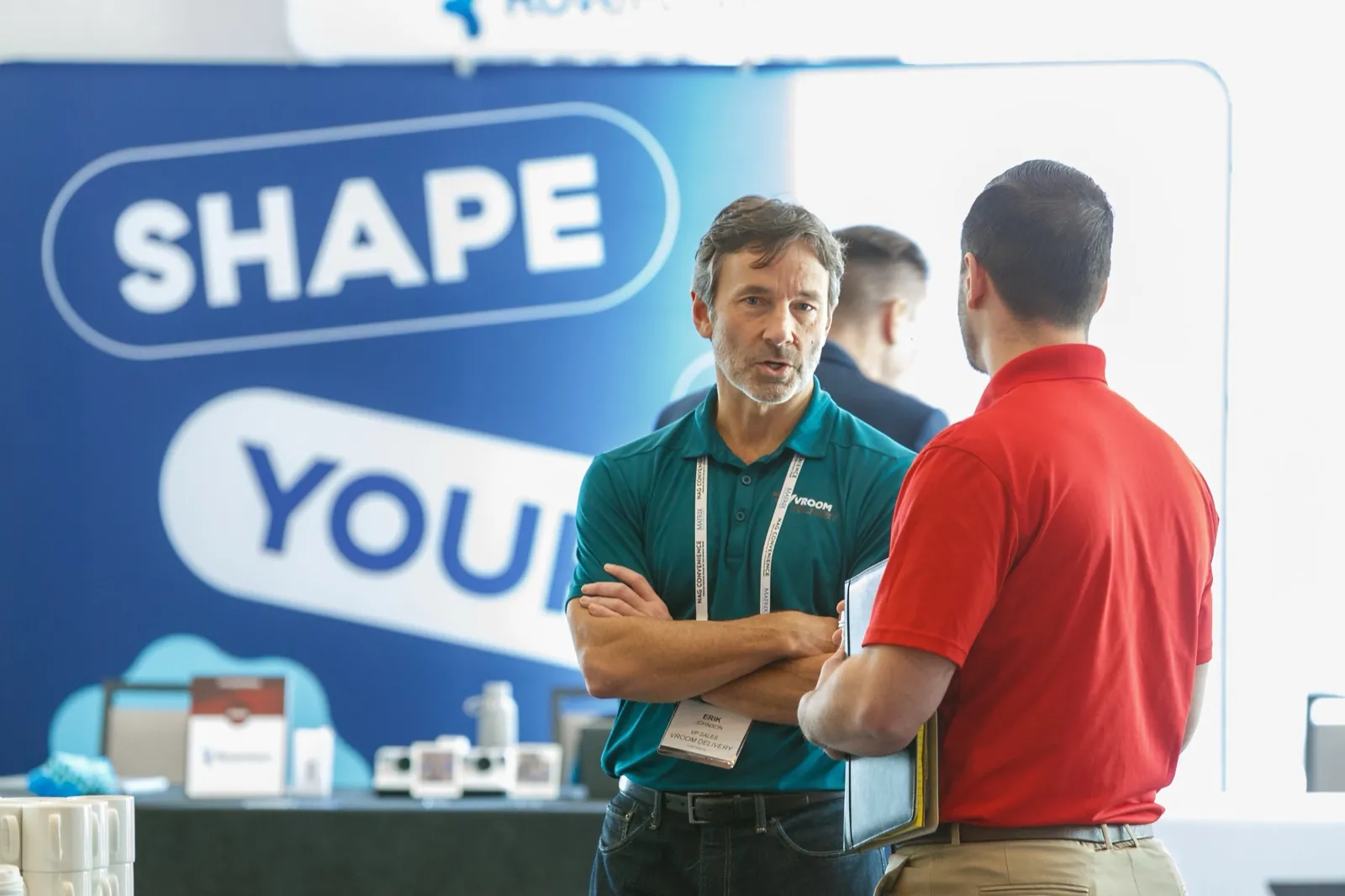
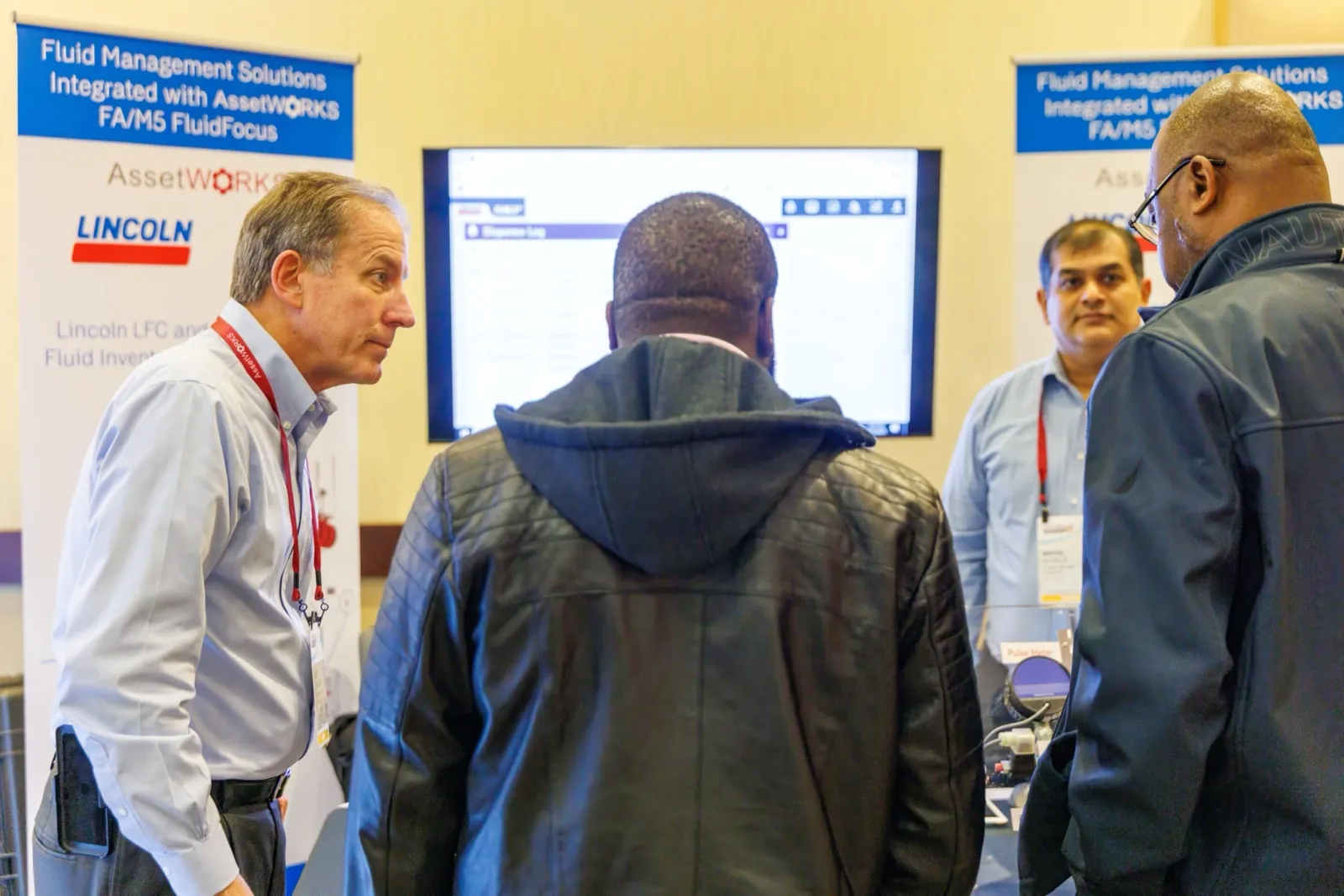
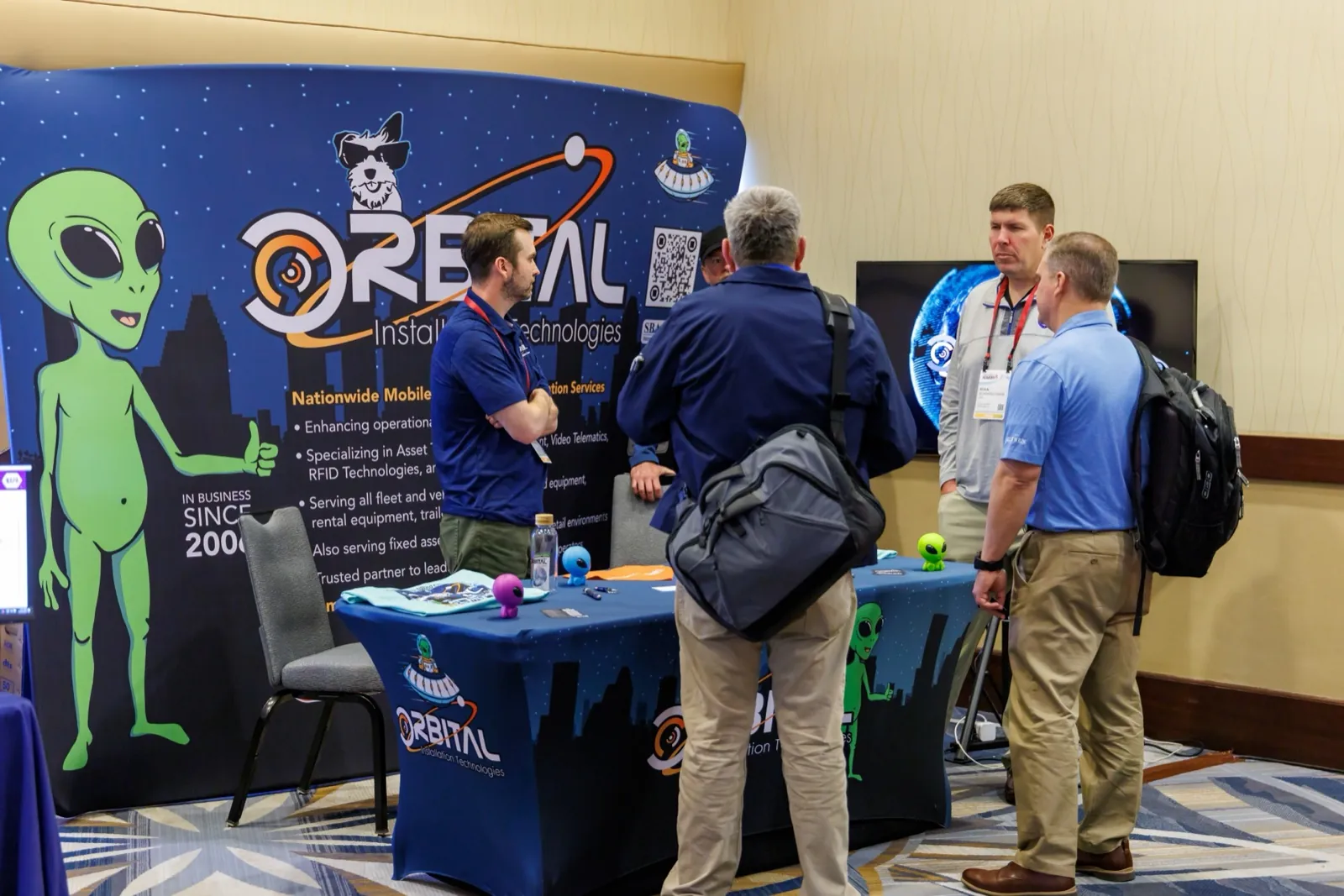
The empty booth documents the build; the busy booth shows it in use. Plan the photographer's time around both.
[ Before the show ]What to sort out first
Most problems with booth photos start before the show. As soon as the exhibitor manual and schedule are available:
- Read the exhibitor manual. Look for rules on outside photographers, contractor registration, badges, floor hours and photos of other booths.
- Register your photographer. If the show asks for it, register them as your contractor and send them the badge instructions.
- Send the basics. Show name, hall and booth number, your floor hours, the demo and speaking schedule, and a mobile number for your contact at the booth.
- Check the venue and show rules. Ask whether lighting, stands or other equipment must come in through an approved contractor, loading route or labor provider. For example, see our Javits Center page.
- Agree the shot list. Use the table above, and mark the photos you can't do without.
[ Timing ]Plan for the empty and the busy moments
The booth is usually easiest to photograph empty before doors and most active at a few scheduled moments. Put both windows in the coverage plan, within the show's access rules and once the booth is ready.
- Before doors. Booth lights on, screens running, counters cleared, staff out of the way for the wide shots, then the team photo.
- Peak hours. Opening, after the keynote, a reception on the floor, a scheduled demo or a giveaway.
- Your own moments. A launch, a customer signing, a talk in a theater on the floor. Give each a time.
[ On the floor ]Getting the busy-booth photos
- Brief the booth staff. Tell them a photographer will be working, and that they should carry on with visitors, not stop and pose.
- Keep the booth tidy. Bags, coffee cups and boxes on counters end up in every photo.
- Face into the booth. Staff standing with their backs to the aisle hide the conversation; a small turn makes the photo.
- Run the demo as usual. Real visitors watching a real demo make better photos than a staged one.
[ Exhibit builders ]If you built the booth
Builders need the booth at its best: every angle, empty, lit, with the graphics straight. Agree with the exhibitor when the photographer can work before doors, which empty-booth views you need, and what written permission you'll have to use them. Ask for those photos in their own folder.
[ Nuances ]Common gaps
- No badge at the door. The photographer wasn't registered, and the empty-booth window is lost at the entrance.
- Booth not ready. Graphics still going up, screens off, boxes in the corner when the photographer arrives.
- The wrong hour. Busy-booth photos booked for a quiet afternoon.
- Nobody in charge at the booth. No one to point out the executives or say when the demo starts.
- Photos after the buzz. If posts during the show matter, ask about selected photos during the event and agree the cost and timeline before the show.
[ How we work ]From your booth plan to coverage
Send us the show, your booth number and your hours on the floor, and we turn them into a coverage plan: the empty booth, the busy hours, and the demos, team and talks we prioritize, plus what we need from you, such as registration with show management. Our photographers have covered conferences, corporate events and trade shows since 2015. Photos are organized by day and part of the program, with headshots, group photos and video in their own folders, and during the show we can send selected photos during the event, on a best-effort basis. We're insured and send a certificate of insurance (COI) for your venue or company before the event.See trade show photography for how booth coverage works and what to send your trade show photographer, or request a quote with your show and booth number.

Questions planners ask
How long should a booth photographer stay?
Can our photographer get onto the floor before the show opens?
Can the photographer photograph other booths or the show floor?
Can we use photos of visitors in our ads?
Can our booth builder use the photos?
Should we add video at the booth?
Is there a shot list we can use?
Tell us about your event
The date, venue and hours are enough to start. We reply with a quote and any questions we have.
Request a quote